
Filing a federal income tax return for the first time in 2026 can feel overwhelming. Between forms, deductions, credits, and deadlines, many new taxpayers worry about making mistakes or missing refunds.
The good news is that the IRS provides multiple free resources to help first-time filers complete their returns accurately and on time. With the right tools and preparation, the process becomes much easier.
Who Is Considered a First-Time Federal Tax Filer?
You are likely a first-time filer if:
-
You recently started your first job
-
You turned 18 and now have taxable income
-
You were previously claimed as a dependent
-
You became a U.S. resident for tax purposes
-
You started freelance or gig work
Even if you’re not required to file, submitting a return can help you claim refunds and credits.
Essential Documents You Need Before Filing
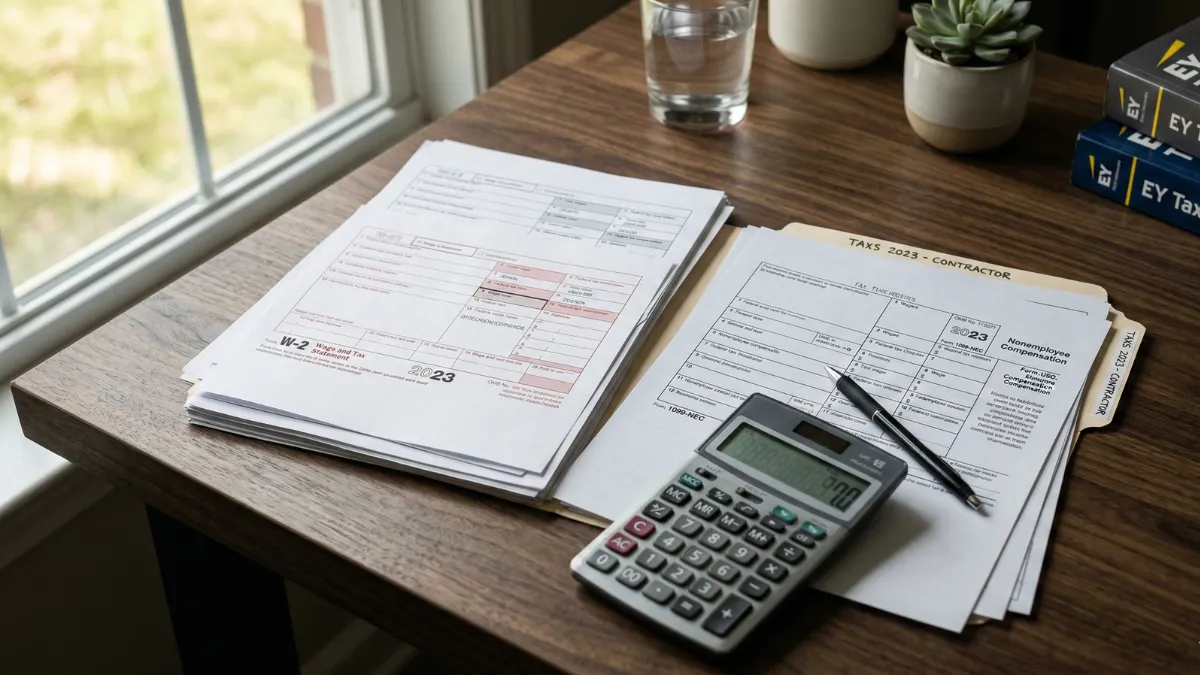
Before starting your return, gather these key documents:
Income Documents
-
W-2 from employer
-
1099-NEC or 1099-K (gig workers)
-
1099-INT (interest income)
-
1099-DIV (dividends)
Personal Information
-
Social Security Number
-
Valid ID
-
Bank account for direct deposit
-
Prior-year return (if available)
Having everything ready prevents delays and errors.
Best Free IRS Resources for First-Time Filers
IRS Free File
Best for: Simple returns under income limits
What it offers:
-
Free guided tax software
-
Automatic calculations
-
Free e-filing
-
Step-by-step help
👉 This is the easiest starting point for most beginners.
Volunteer Income Tax Assistance (VITA)
Best for: Low-to-moderate income taxpayers
Key benefits:
-
Free in-person tax help
-
IRS-certified volunteers
-
Help with credits like EITC
-
Available in many communities
Great option if you want human assistance.
Tax Counseling for the Elderly (TCE)
Best for: Seniors age 60+
Features:
-
Free tax preparation
-
Focus on retirement income
-
Social Security guidance
-
Pension reporting help
IRS Interactive Tax Assistant
Best for: Quick eligibility questions
You can check:
-
Filing requirement
-
Credit eligibility
-
Dependency status
-
Deduction questions
This tool reduces guesswork for beginners.
Step-by-Step Filing Process for Beginners
| Step | What to Do |
|---|---|
| Step 1 | Gather income documents |
| Step 2 | Choose filing status |
| Step 3 | Use IRS Free File or software |
| Step 4 | Claim eligible credits |
| Step 5 | Enter direct deposit info |
| Step 6 | Review carefully |
| Step 7 | E-file your return |
Following this order helps avoid common first-timer mistakes.
Common Mistakes First-Time Filers Must Avoid
Many beginners delay their refunds by making simple errors.
Watch out for:
-
Wrong Social Security Number
-
Incorrect filing status
-
Missing income forms
-
Math errors on paper returns
-
Forgetting to sign the return
-
Entering wrong bank details
✔ E-filing reduces most of these risks.

Tips to Get Your Refund Faster in 2026
Smart first-time filers should:
-
File electronically
-
Choose direct deposit
-
File early in the season
-
Double-check personal info
-
Respond quickly to IRS letters
Most e-filed refunds arrive within 21 days.
Conclusion
Filing your first federal tax return in 2026 doesn’t have to be stressful. The IRS offers powerful free tools like Free File, VITA, and the Interactive Tax Assistant that make the process beginner-friendly.
By gathering the right documents, using trusted resources, and avoiding common mistakes, first-time filers can submit accurate returns and receive refunds faster.
Starting correctly in your first year builds strong tax habits for life.