

Washington is once again facing a familiar deadline and millions of Americans are watching closely.
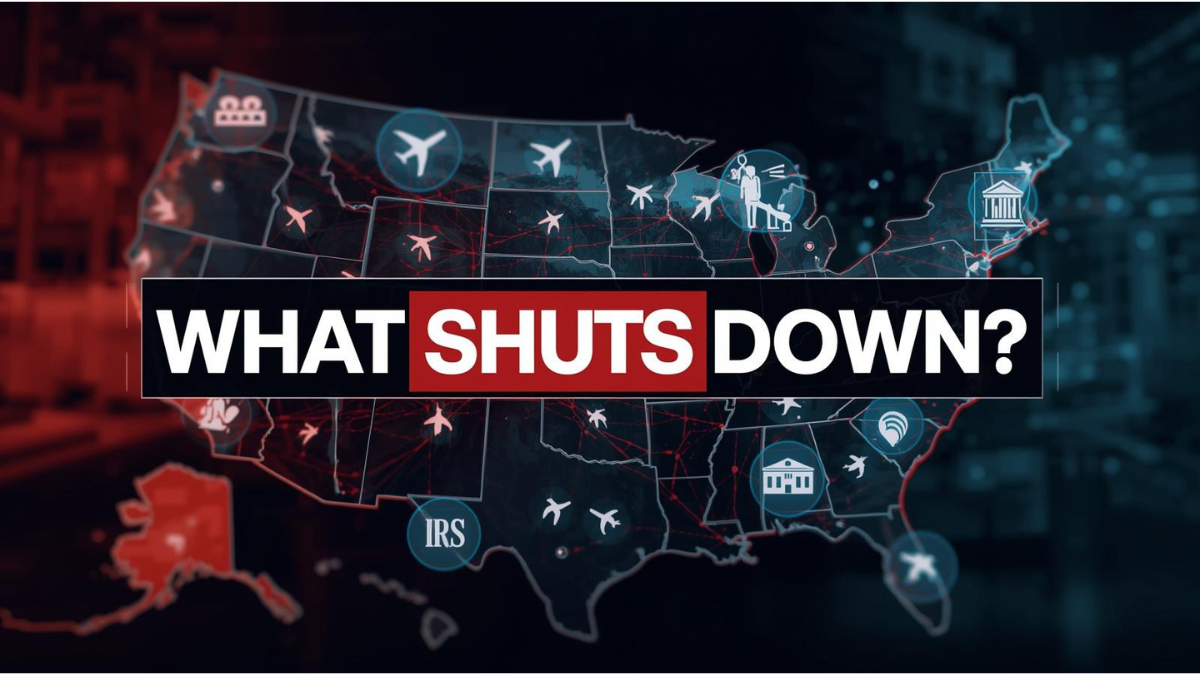
Lawmakers are racing to pass a funding agreement before a potential federal government shutdown threat in 2026. If Congress fails to approve spending legislation, large portions of the federal government could temporarily close, affecting everything from paychecks to national services.
According to recent reporting from USA Today, negotiations have stalled over budget allocations and policy demands, raising concerns that a partial shutdown could begin within days if no compromise is reached.
For many Americans, the question isn’t political.
It’s practical.
What Is a Government Shutdown Threat in 2026?
A government shutdown occurs when Congress fails to pass funding legislation required to finance federal agencies.
When that happens:
-
Non-essential federal workers are furloughed
-
Some federal services pause
-
National parks may close
-
Passport processing can slow
-
Government contractors often go unpaid
-
Federal paychecks may be delayed
Essential services like air traffic control and military operations continue, but workers may not receive immediate pay.
The Economic Impact
Shutdowns may appear temporary, but the economic effects ripple outward.
Past shutdowns have:
-
Reduced GDP growth temporarily
-
Delayed tax refunds
-
Impacted small businesses dependent on federal contracts
-
Disrupted tourism revenue near national parks
Small businesses near government offices often see reduced foot traffic. Contractors can experience immediate income gaps. And federal employees nearly 2 million workers face uncertainty around pay timing.
Financial markets also react to political instability, though historically most shutdowns have been short-lived.
Why 2026 Feels Different
This year’s funding debate arrives during:
-
A slowing job market
-
Elevated interest rates
-
Corporate layoffs
-
Budget deficit pressure
The combination of economic caution and political gridlock increases the tension surrounding funding negotiations.
While shutdowns have occurred multiple times in the past decade, the broader economic context makes 2026 particularly sensitive.

What Happens If the Shutdown Occurs?
If lawmakers fail to reach an agreement:
-
Federal workers may be furloughed immediately
-
Agencies suspend non-essential operations
-
Back pay is typically granted after resolution
-
Political negotiations intensify
Historically, shutdowns end once budget compromises are reached but the duration varies.
Some last days. Others stretch into weeks.
What Americans Can Do Now
If you are:
A Federal Employee
Prepare for possible paycheck delays. Review savings and short-term expenses.
A Contractor
Expect potential temporary payment interruptions and communicate proactively with clients.
A Traveler
Monitor airport and passport service updates.
A Taxpayer
Stay updated on IRS announcements regarding refund processing timelines.
Preparation reduces uncertainty.
The Bigger Picture Government Shutdown Threat in 2026
Government shutdowns often become symbolic battles over fiscal priorities.
But beyond headlines and partisan debate, the real impact is felt in homes, paychecks, and small businesses across the country.
Whether negotiations succeed or fail, the 2026 funding deadline highlights the fragile balance between politics and economic stability.
And for millions of Americans, the outcome matters immediately.
FAQ
Will Social Security payments stop during a shutdown?
No. Social Security benefits typically continue because they are funded through permanent appropriations.
Do federal workers get paid after a shutdown?
Historically, Congress has approved back pay once funding is restored.
How long could it last?
Shutdowns vary in length some resolve in days, others have extended for weeks.
Conclusion
As the deadline approaches, the nation waits to see whether lawmakers can strike a deal.
For Americans, the question isn’t about politics it’s about stability.
A shutdown may be temporary.
But its consequences are real.